

darrelperkin12
About darrelperkin12
Erectile Dysfunction (ED) Treatment: Understanding Options and Approaches
Erectile dysfunction (ED) is a common condition that affects millions of men worldwide, characterized by the inability to achieve or maintain an erection sufficient for satisfactory sexual performance. While it can occur at any age, it is more prevalent in older men. The causes of ED can be physical, psychological, or a combination of both, leading to a range of treatment options tailored to the individual’s needs. This report aims to provide an overview of the various treatment options available for erectile dysfunction, their effectiveness, and considerations for patients.
Understanding Erectile Dysfunction
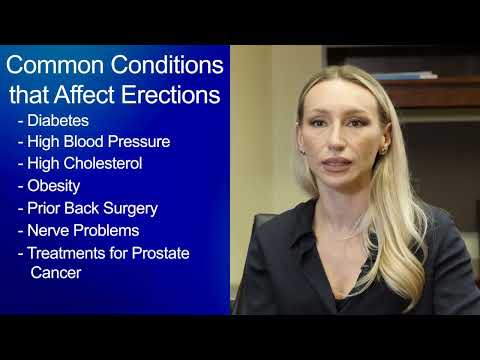
ED can result from a variety of factors, including medical conditions such as diabetes, hypertension, and heart disease, as well as lifestyle choices like smoking, excessive alcohol consumption, and lack of physical activity. In case you loved this informative article and you would like to receive much more information about erectile dysfunction treatment for overweight individuals kindly visit the web site. Psychological factors, including stress, anxiety, and depression, can also contribute to ED. Understanding the underlying cause is crucial for determining the most effective treatment.
Treatment Options for ED
- Lifestyle Modifications
– Diet and Exercise: Adopting a healthy diet rich in fruits, vegetables, whole grains, and lean proteins can improve overall health and blood flow, which is essential for erectile function. Regular physical activity can also enhance cardiovascular health and reduce stress.
– Weight Management: Maintaining a healthy weight can help prevent or improve ED, particularly in men with obesity-related conditions like diabetes.
– Quit Smoking and Limit Alcohol: Smoking can damage blood vessels and restrict blood flow, while excessive alcohol can impair sexual function. Quitting smoking and moderating alcohol intake can significantly improve ED symptoms.
- Psychological Counseling
– For men whose ED is primarily caused by psychological factors, therapy can be beneficial. Cognitive-behavioral therapy (CBT) and couples therapy can help address issues such as anxiety, stress, and relationship problems.
- Medications
– Phosphodiesterase Type 5 Inhibitors (PDE5i): These are the most commonly prescribed medications for ED. They work by increasing blood flow to the penis during sexual stimulation. Common PDE5 inhibitors include:
– Sildenafil (Viagra): Usually taken 30 minutes to an hour before sexual activity, its effects can last for up to four hours.
– Tadalafil (Cialis): Known for its longer duration of action, Tadalafil can last up to 36 hours and can be taken daily or as needed.
– Vardenafil (Levitra) and Avanafil (Stendra): Other options that have similar mechanisms of action.
– Side effects may include headaches, flushing, nasal congestion, and dizziness. It is important for patients to consult with their healthcare provider to determine the most suitable medication and dosage.
- Hormone Therapy
– In cases where ED is linked to low testosterone levels, hormone replacement therapy may be an option. This can involve testosterone injections, patches, or gels. Regular monitoring is necessary to avoid potential side effects and ensure hormone levels remain within a healthy range.
- Vacuum Erection Devices (VED)
– VEDs are non-invasive devices that create a vacuum around the penis, drawing blood into it and causing an erection. A constriction band is then placed at the base of the penis to maintain the erection. This method is effective for many men and can be a good option for those who prefer to avoid medications.
- Penile Injections
– Intracavernosal injections involve injecting medication directly into the penis to promote an erection. Medications such as alprostadil can be used for this purpose. This method can be effective for men who do not respond to oral medications.
- Urethral Suppositories
– Alprostadil can also be administered as a urethral suppository, which is inserted into the urethra using a special applicator. This method offers an alternative for those who prefer not to use injections.
- Penile Implants
– For men with severe ED who do not respond to other treatments, penile implants may be considered. These are surgically placed devices that allow for the manual creation of an erection. There are two main types: inflatable and malleable implants. This option is typically reserved for cases where other treatments have failed.
- Shockwave Therapy
– Low-intensity shockwave therapy is a newer treatment that involves using sound waves to stimulate blood flow to the penis. While still under investigation, some studies suggest it may improve erectile function in men with vascular-related ED.
Considerations and Conclusion
When considering treatment for erectile dysfunction, it is essential for patients to consult with their healthcare provider to discuss their symptoms, medical history, and any underlying conditions. A thorough evaluation can help identify the most appropriate treatment options.
Additionally, it is important for patients to be aware of potential side effects and interactions with other medications. Open communication with partners can also enhance the effectiveness of treatment, as emotional support plays a significant role in managing ED.
In conclusion, erectile dysfunction is a multifaceted condition that can be effectively treated through various approaches. From lifestyle changes and psychological counseling to medications and surgical options, there are numerous pathways to restore sexual function and improve quality of life. With the right support and treatment plan, men experiencing ED can regain their confidence and enhance their sexual health.

No listing found.